


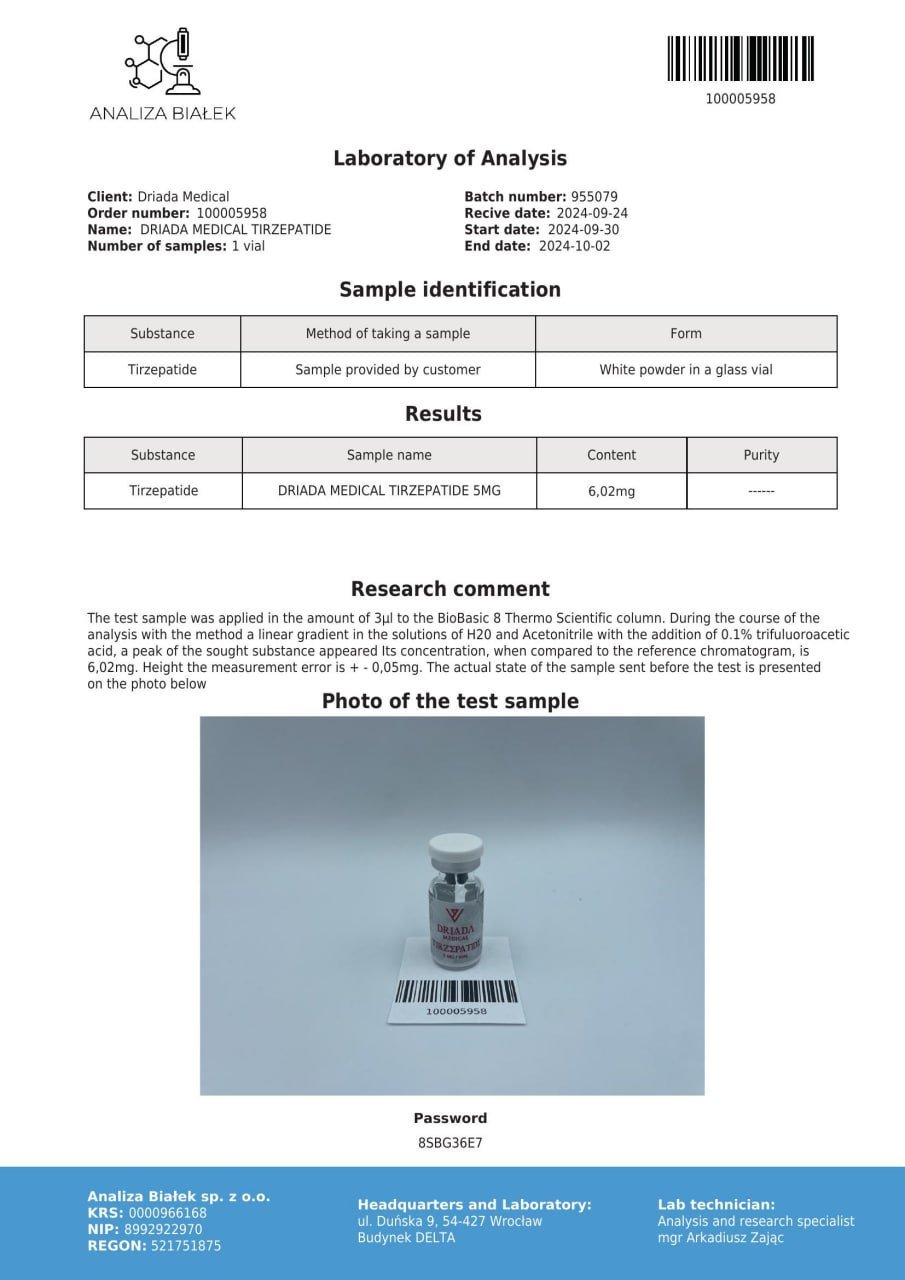
Tirzepatide 5mg
Tirzepatide is a groundbreaking pharmacological agent representing a significant advancement in the treatment of type 2 diabetes mellitus (T2DM) and obesity. Developed by Eli Lilly, this medication is a dual agonist targeting both the glucose-dependent insulinotropic polypeptide (GIP) receptor and the glucagon-like peptide-1 (GLP-1) receptor. These incretin hormones are natural peptides involved in regulating glucose homeostasis and energy balance. By simultaneously targeting these pathways, tirzepatide exerts a synergistic effect that enhances its efficacy in managing hyperglycemia and promoting weight loss, distinguishing it from existing therapies that typically target only the GLP-1 receptor.
The development of tirzepatide is rooted in the growing recognition of the need for more effective therapeutic options for patients with type 2 diabetes, particularly those also struggling with obesity. Traditional antidiabetic medications often fail to meet the multifaceted needs of these patients, especially in terms of weight management, which is a critical component of comprehensive diabetes treatment. The dual mechanism of tirzepatide not only addresses glucose control but also significantly impacts body weight, an area where many other therapies have limited success. The drug's ability to achieve such significant results has led to its consideration as a potential game-changer in both endocrinology and the management of metabolic diseases.
Recent clinical trials have highlighted the remarkable efficacy of tirzepatide. For example, the SURPASS program, a series of Phase III clinical trials, demonstrated that tirzepatide can achieve superior reductions in HbA1c levels and body weight compared to other established therapies, including insulin and GLP-1 receptor agonists such as semaglutide. The dual incretin agonism of tirzepatide offers a more comprehensive approach to type 2 diabetes and obesity, making it particularly attractive for patients requiring glycemic control and substantial weight loss. Furthermore, the drug's effects extend beyond these primary outcomes, potentially offering benefits in cardiovascular health and overall metabolic profile, making it an attractive option not only for diabetologists but also for cardiology and endocrinology specialists.
Given the growing epidemic of obesity and diabetes worldwide, the introduction of tirrizepatide is timely. Its potential to address the dual challenges of hyperglycemia and obesity could redefine the standard of care for millions of patients globally. Furthermore, its off-label use is already being explored in the bodybuilding and fitness communities, where its potent weight-loss effects may provide an advantage in fat reduction and metabolic optimization. However, the full spectrum of tirrizepatide's potential is still being studied, and ongoing research will likely continue to expand our understanding of its benefits and applications.
Main effects and benefits
Weight loss
Tirzepatide has been shown to produce unprecedented levels of weight loss in clinical trials, which is particularly noteworthy given the historical difficulty in achieving significant weight reduction in patients with type 2 diabetes or obesity. In the SURMOUNT-1 trial, a Phase III study focused on weight loss, participants treated with the highest dose of tirzepatide (15 mg) achieved an average weight loss of 22.5% over 72 weeks. This is a substantial improvement over weight loss achieved with other anti-obesity medications, including semaglutide, which typically results in weight reductions of approximately 15-17%. The weight loss effect of tirzepatide is attributed to its dual action on GIP and GLP-1 receptors, which together increase satiety, reduce food intake, and increase energy expenditure.
For bodybuilders and fitness enthusiasts, this weight loss effect is of particular interest, as it can help achieve a leaner physique with reduced body fat while preserving muscle mass. This is crucial in contexts where maintaining muscle definition and overall body composition is paramount. Furthermore, the reduction of visceral fat, which is generally resistant to diet and exercise alone, is another significant benefit, as visceral fat is associated with increased cardiometabolic risk.
Glycemic Control
The effectiveness of tirzepatide in reducing blood glucose levels is another major benefit. In clinical trials, the drug has consistently demonstrated superior reductions in HbA1c compared to other treatments. For example, in the SURPASS-2 trial, tirzepatide at a dose of 15 mg reduced HbA1c by 2.58% from baseline, outperforming semaglutide, which achieved a reduction of 2.07%. This superior glycemic control is vital for patients with type 2 diabetes, as maintaining lower HbA1c levels reduces the risk of complications such as neuropathy, nephropathy, and retinopathy.
For athletes and bodybuilders, maintaining stable blood glucose levels is essential for optimizing performance, recovery, and overall metabolic health. Tirzepatide's ability to provide robust glycemic control without significantly increasing the risk of hypoglycemia (thanks to its glucose-dependent mechanism) makes it a particularly attractive option for those who require strict management of their blood sugar levels.
Cardiovascular benefits
In addition to its effects on weight and glucose levels, tirnepadiene may also offer cardiovascular benefits. The drug has been shown to reduce several cardiovascular risk factors, including body weight, systolic blood pressure, and lipid levels. These effects are particularly relevant for patients with type 2 diabetes, who have a high risk of cardiovascular disease. Although long-term cardiovascular outcome trials are still ongoing, initial data suggest that tirnepadiene may play a role in reducing cardiovascular events, such as heart attacks and strokes, in high-risk populations.
Mechanism of Action
The mechanism of action of tirzepatide is unique due to its dual agonism of GIP and GLP-1 receptors, which are essential for glucose metabolism and energy homeostasis.
GIP receptor agonism
GIP is an incretin hormone released by K cells in the small intestine in response to nutrient intake, particularly fats and carbohydrates. Its primary function is to increase insulin secretion from pancreatic beta cells in a glucose-dependent manner. However, GIP also plays a role in lipid metabolism and adipogenesis. By agonizing the GIP receptor, tirrizepatide increases insulin secretion in response to meals, which helps control postprandial blood glucose levels. This insulinotropic effect is critical for the treatment of type 2 diabetes, as it reduces hyperglycemia without significantly increasing the risk of hypoglycemia, a common concern with other insulinotropic agents.
Interestingly, GIP receptor agonism also influences fat metabolism. In preclinical studies, GIP has been shown to promote lipid storage in adipose tissue, but in the context of tirrizepatide's dual action, this effect may be counterbalanced by activation of the GLP-1 receptor, which promotes weight loss. The net effect is a reduction in body fat, particularly visceral fat, which is associated with improved metabolic health.
The process of GIP (gastric inhibitory polypeptide/glucose-dependent insulinotropic polypeptide) secretion and its increased synthesis in response to a high-fat diet (HFD) involves several key mechanisms. Fatty acid-binding protein 5 (FABP5) and G protein-coupled receptor 120 (GPR120) are crucial for the immediate secretion of GIP after fat ingestion. Furthermore, in the context of HFD-induced obesity, the regulatory factor of transcription factor X6 (Rfx6) plays a significant role in GIP hypersecretion by positively regulating GIP gene expression. These processes are interconnected with other components such as GPCRs (G protein-coupled receptors) and Pdx-1 (pancreatic and duodenal homeobox 1).
GLP-1 receptor agonism
GLP-1, another incretin hormone, is secreted by L cells in the intestine in response to nutrient intake. It increases insulin secretion, suppresses glucagon release, delays gastric emptying, and promotes satiety. GLP-1 receptor agonists have become a cornerstone in the treatment of type 2 diabetes (T2DM) due to their ability to reduce blood glucose levels while promoting weight loss. Tirzepatide's action on the GLP-1 receptor contributes significantly to its effects on satiety and weight reduction. By delaying gastric emptying, tirzepatide prolongs the feeling of fullness after meals, reducing overall caloric intake. Furthermore, the suppression of glucagon, a hormone that increases blood glucose levels, further aids in maintaining glycemic control.
The dual activation of GIP and GLP-1 receptors by tirzepatide results in a synergistic effect that increases its therapeutic potential. While GLP-1 receptor agonism is primarily responsible for the weight loss and appetite suppression observed with tirzepatide, GIP receptor agonism complements these effects by further increasing insulin secretion and influencing lipid metabolism. This combination allows tirzepatide to treat both hyperglycemia and obesity more effectively than agents that target only one of these pathways.
Pancreatic and exopancreatic function of glucose-dependent insulinotropic polypeptide (GIP) and glucagon-like peptide (GLP)-1. GIP acts directly on the endocrine pancreas, bone, fat, gastrointestinal (GI) tract, and brain. GLP-1 acts directly on the endocrine pancreas, gastrointestinal tract, heart, and brain.
Improved beta cell function
In addition to increasing insulin secretion, tirzepatide may also play a crucial role in preserving and enhancing the function of pancreatic beta cells. Chronic activation of GIP and GLP-1 receptors has been shown to promote beta cell proliferation and reduce apoptosis, which is programmed cell death that often contributes to the decline in beta cell mass observed in type 2 diabetes. By supporting beta cell survival and potentially increasing their number, tirzepatide may help maintain a healthier beta cell population over time. This preservation is crucial for maintaining long-term glycemic control in patients with type 2 diabetes and may potentially delay disease progression by reducing the need for exogenous insulin and mitigating the risk of diabetes-related complications.
Impact on hepatic glucose production
The ability of tirzepatide to suppress glucagon secretion has significant implications for hepatic glucose production, a key factor in managing fasting blood glucose levels. By reducing glucagon levels, tirzepatide decreases gluconeogenesis, the process by which the liver produces glucose from non-carbohydrate sources, and glycogenolysis, the breakdown of glycogen into glucose. Both processes are major contributors to fasting hyperglycemia in diabetes. This reduction in hepatic glucose production, combined with increased peripheral glucose uptake through enhanced insulin sensitivity, results in more effective overall glucose control, particularly in reducing fasting blood glucose levels and smoothing out daily glucose fluctuations.
Modulation of lipid metabolism
In addition to its effects on glucose metabolism, tirzepatide plays a significant role in lipid metabolism, particularly in how the body handles dietary fats. By influencing the GIP pathway, tirzepatide can reduce the accumulation of triglycerides in adipose tissue, which is crucial because excess triglycerides, especially in visceral fat, are linked to insulin resistance and increased cardiovascular risk. Furthermore, tirzepatide can increase fat oxidation, the process by which fats are broken down to be used as energy, contributing to weight loss and improved lipid profiles. These effects include reductions in LDL cholesterol and increases in HDL cholesterol, further supporting the weight loss and cardiovascular benefits associated with tirzepatide therapy. For patients, these metabolic improvements can lead to a reduction in visceral fat, which is associated with improved insulin sensitivity and a lower risk of metabolic syndrome, a cluster of conditions that increases the risk of heart disease, stroke, and diabetes.
Anti-inflammatory effects
Recent studies suggest that tirzepatide may also have anti-inflammatory properties, which may be mediated by GLP-1 receptor activation. Chronic low-grade inflammation is a hallmark of metabolic diseases such as type 2 diabetes and obesity and plays a significant role in the development of insulin resistance and cardiovascular complications. By reducing levels of inflammatory cytokines such as C-reactive protein (CRP) and interleukins, tirzepatide may help mitigate this inflammation, thereby improving insulin sensitivity and reducing cardiovascular risk. Furthermore, by improving endothelial function, which is often impaired in patients with diabetes and obesity, tirzepatide may further improve cardiovascular health. This reduction in inflammation and improvement in endothelial function offer additional protective benefits against cardiovascular disease, further enhancing the therapeutic profile of tirzepatide.
Improvement in Cardiovascular Health
The effects of tirnezpatide on cardiovascular health go beyond its metabolic actions. Activation of GLP-1 receptors in vascular endothelial cells improves endothelial function, which is crucial for maintaining healthy blood vessels and reducing arterial stiffness, a common problem in patients with type 2 diabetes that contributes to hypertension and cardiovascular disease. By improving arterial elasticity and reducing blood pressure, tirnezpatide may reduce the risk of developing cardiovascular complications such as stroke and heart attack. Along with its effects on weight loss and improved glycemic control, tirnezpatide presents a comprehensive treatment option for managing not only diabetes but also its associated cardiovascular risks, making it a highly versatile and effective therapeutic agent in the fight against metabolic diseases.
Comparison between Tirzepatide and Semaglutide
Tirzepatide and semaglutide are incretin-based therapies, but they differ significantly in their mechanisms of action, efficacy, and potential uses.
Mechanism of Action
Semaglutide is a GLP-1 receptor agonist that mimics the action of the endogenous hormone GLP-1, increasing insulin secretion, suppressing glucagon, delaying gastric emptying, and promoting satiety. Tirzepatide, on the other hand, is a dual agonist of both GIP and GLP-1 receptors, offering a broader mechanism of action that includes the effects of both incretin hormones. This dual agonism allows tirzepatide to have a more pronounced effect on glucose metabolism and weight reduction compared to semaglutide.
Effectiveness
The efficacy of tirzepatide compared to semaglutide in patients with type 2 diabetes was evaluated by measuring the reduction in glycated hemoglobin (HbA1c) levels and body weight after 40 weeks of treatment. The study used three different doses of tirzepatide (5 mg, 10 mg, and 15 mg) and compared them to a standard dose of 1 mg of semaglutide (doi: 10.1056/NEJMoa2107519).
Reduction of glycated hemoglobin (HbA1c):
All doses of tirzepatide showed a greater reduction in HbA1c levels compared to semaglutide.
A 5 mg dose of tirnezitaide resulted in a mean reduction in HbA1c of approximately 2.01%, which is greater than the 1.86% reduction observed with semaglutide.
Higher doses of tirnezitade (10 mg and 15 mg) provided even more significant reductions, with reductions of 2.24% and 2.30%, respectively.
Reduction of body weight:
Tirzepatide also demonstrated superior efficacy in weight loss compared to semaglutide at all doses.
Patients who received the 5 mg dose of tirnepide lost an average of 7.6 kg, which is more than the 5.7 kg lost with semaglutide.
Doses of 10 mg and 15 mg of tirnezitade led to even greater weight reductions, with average losses of 9.3 kg and 11.2 kg, respectively.
Overall, tirrizepatide was more effective than semaglutide in reducing glycated hemoglobin levels and promoting weight loss in patients with type 2 diabetes.
Applications
Although both medications are used to treat T2DM, tirzepatide's additional weight-loss effects make it a more versatile option for patients with obesity. Semaglutide is also approved for chronic weight management under the brand name Wegovy, but tirzepatide's superior weight-loss efficacy may make it a preferred choice in this context once it receives approval for this indication. Furthermore, tirzepatide's impact on lipid metabolism and potential cardiovascular benefits may offer additional advantages in treating patients with metabolic syndrome or those at high cardiovascular risk.
Side effects
Both medications have similar side effect profiles, with gastrointestinal symptoms being the most common. However, the dual mechanism of action of tirzepatide may lead to slightly different tolerability profiles, which will require further studies to be fully understood. Long-term safety data are more established for semaglutide, given its longer time on the market, but early indications suggest that the safety profile of tirzepatide is comparable.
Uses
Tirzepatide is used for several important purposes, each with distinct goals and outcomes.
Management of type 2 diabetes
Tirzepatide is primarily indicated for the treatment of T2DM to achieve better glycemic control. The drug's dual mechanism allows it to reduce HbA1c levels more effectively than many existing treatments, making it an ideal choice for patients struggling to meet their glycemic targets with other medications. The combination of GIP and GLP-1 receptor agonism addresses fasting and postprandial hyperglycemia, reducing the risk of long-term complications associated with poor glycemic control, such as cardiovascular disease, neuropathy, and retinopathy.
The goal of using tirzepatide in T2DM is not only to reduce HbA1c levels but also to improve overall metabolic health. By reducing body weight, lowering blood pressure, and improving lipid profiles, tirzepatide helps mitigate the broader metabolic risks associated with diabetes. For patients with obesity and T2DM, tirzepatide offers the dual benefit of glycemic control and significant weight loss, which can further increase insulin sensitivity and reduce the need for additional medications.
Weight management and obesity
Tirzepatide is being explored for its potential in treating obesity, even in patients without diabetes. The drug's ability to induce significant weight loss makes it a promising candidate for addressing the obesity epidemic, which is a major risk factor for numerous chronic diseases, including cardiovascular disease, certain types of cancer, and osteoarthritis. The goal of using tirzepatide in this context is to achieve sustainable weight loss that improves overall health outcomes, reduces comorbidities, and enhances quality of life.
In the context of obesity management, tirzepatide is particularly useful for patients who have not achieved sufficient weight loss with lifestyle interventions alone or who have struggled to regain weight after initial success. The drug's ability to reduce hunger and increase satiety supports adherence to a low-calorie diet, which is essential for long-term weight management. Furthermore, weight loss achieved with tirzepatide is accompanied by improvements in metabolic parameters such as reduced waist circumference, improved insulin sensitivity, and lower levels of inflammatory markers, all of which contribute to better health outcomes ( https://doi.org/10.1038/s41591-023-02597-w ).
The graph shows that tirzepatide significantly reduces body weight by 18.4% to 21.1% at week 72, compared to a slight weight gain of 2.5% to 3.3% with placebo. This highlights tirzepatide as an effective treatment for substantial weight loss.
The graph illustrates that participants who took Tirzepatide experienced a significant and consistent weight reduction, reaching a 21.1% reduction by week 72. In contrast, those who took a placebo experienced a slight weight gain of 3.3% over the same period. The participants' average baseline body weight was 101.9 kg, highlighting the substantial impact of Tirzepatide on weight loss.
The graph shows the percentage change in body weight from the start of an intensive lifestyle intervention over a 72-week period, comparing tirzepatide with a placebo. The tirzepatide group experienced a significant reduction in body weight, with an average reduction of 25.0% over 72 weeks, compared to a 4.8% reduction in the placebo group. The results suggest that tirzepatide is more effective at achieving weight loss compared to a placebo in the long term.
Off-label use in bodybuilding and fitness.
Although not officially approved for use in bodybuilding or fitness, tirzepatide is gaining attention in these communities for its potent effects on reducing body fat. Bodybuilders generally seek to reduce body fat while maintaining or even increasing muscle mass, a goal that tirzepatide may help achieve due to its strong impact on fat loss without significant muscle catabolism. The goal in this context is to improve body composition, reduce visceral fat, and improve metabolic efficiency, all of which contribute to better athletic performance and a more defined physique.
However, the off-label use of tirnezitade in this context should be approached with caution, as the long-term effects of the drug in individuals without metabolic diseases are not yet fully understood.
Dosage, Administration and Precautions
Dosage
Begin with a 2.5 mg dose administered subcutaneously once a week. This dose is intended to initiate therapy and minimize gastrointestinal side effects.
After four weeks of the initial dose, the dosage should be increased to 5 mg once a week.
If additional glycemic control is needed, further dosage increases may be made in 2.5 mg increments at intervals of at least four weeks, up to a maximum dose of 15 mg once a week.
Administration
Injection sites: Tirzepatide should be injected subcutaneously into the abdomen, thigh, or upper arm. It is recommended to alternate the injection site with each administration to avoid irritation. The injection should not be given in areas where the skin is sensitive, bruised, red, or hard.
Administration Schedule: Tirzepatide can be administered at any time of day, with or without food. The day of the week for injection can be changed, provided that the time between doses is at least three days (72 hours).
Missed dose: If a dose is missed, it should be administered as soon as possible within 96 hours (4 days). If more than 96 hours have passed, the missed dose should be skipped, and the next dose should be administered at the regular time.
Precautions
Tirzepatide is an appropriate treatment for most people who need pharmacological support for weight loss. However, there are some contraindications associated with this weight management medication, including:
Personal or family history of medullary thyroid carcinoma
Patients with multiple endocrine neoplasia type 2 syndrome
Known severe hypersensitivity to Tirzepatide
Pregnant women, breastfeeding women, or women trying to conceive.
Individuals who are taking another GLP-1 agonist, such as semaglutide or liraglutide.
Individuals with type 1 diabetes mellitus
Individuals with a history of pancreatitis. If patients suspect they may have pancreatitis, they should discontinue the medication immediately.
Side effects
Very common (10% or more of patients):
Nausea (up to 18%)
Diarrhea (up to 17%)
Decreased appetite (up to 11%)
Nasopharyngitis (common cold symptoms, up to 10.5%)
Hypoglycemia (especially when used with insulin or sulfonylureas, up to 19%)
Common (1% to 10% of patients):
Vomit
Constipation
Abdominal pain
Dyspepsia (indigestion)
Eructation (burping)
Flatulence
Gastroesophageal reflux disease (GERD)
Injection site reactions (e.g., pain, redness)
Fatigue
Hyperglycemia
Hypersensitivity reactions (e.g., urticaria, eczema)
Uncommon (0.1% to 1% of patients):
Cholelithiasis (gallstones)
Acute pancreatitis
Increased serum pancreatic enzymes (amylase, lipase)
Acute gallbladder disease (including biliary colic and cholecystectomy)
Rare reports and post-marketing information:
Anaphylaxis
Angioedema
Acute kidney injury (especially in patients with pre-existing kidney conditions)
Thyroid tumors (specifically in patients with a history of medullary thyroid carcinoma)
Store
Store tirzepatide in the refrigerator between 2°C and 8°C.
Do not freeze the medication; discard it if it is frozen.
Keep the medicine in its original packaging to protect it from light.
If necessary, tirzepatide can be stored at room temperature (up to 30°C) for up to 21 days.
Do not return the medication to the refrigerator after it has been stored at room temperature.
Store the pre-filled pen in its original packaging until use.
Dispose of the pen properly after use, following local guidelines.
Tirzepatide is a groundbreaking pharmacological agent representing a significant advancement in the treatment of type 2 diabetes mellitus (T2DM) and obesity. Developed by Eli Lilly, this medication is a dual agonist targeting both the glucose-dependent insulinotropic polypeptide (GIP) receptor and the glucagon-like peptide-1 (GLP-1) receptor. These incretin hormones are natural peptides involved in regulating glucose homeostasis and energy balance. By simultaneously targeting these pathways, tirzepatide exerts a synergistic effect that enhances its efficacy in managing hyperglycemia and promoting weight loss, distinguishing it from existing therapies that typically target only the GLP-1 receptor.
The development of tirzepatide is rooted in the growing recognition of the need for more effective therapeutic options for patients with type 2 diabetes, particularly those also struggling with obesity. Traditional antidiabetic medications often fail to meet the multifaceted needs of these patients, especially in terms of weight management, which is a critical component of comprehensive diabetes treatment. The dual mechanism of tirzepatide not only addresses glucose control but also significantly impacts body weight, an area where many other therapies have limited success. The drug's ability to achieve such significant results has led to its consideration as a potential game-changer in both endocrinology and the management of metabolic diseases.
Recent clinical trials have highlighted the remarkable efficacy of tirzepatide. For example, the SURPASS program, a series of Phase III clinical trials, demonstrated that tirzepatide can achieve superior reductions in HbA1c levels and body weight compared to other established therapies, including insulin and GLP-1 receptor agonists such as semaglutide. The dual incretin agonism of tirzepatide offers a more comprehensive approach to type 2 diabetes and obesity, making it particularly attractive for patients requiring glycemic control and substantial weight loss. Furthermore, the drug's effects extend beyond these primary outcomes, potentially offering benefits in cardiovascular health and overall metabolic profile, making it an attractive option not only for diabetologists but also for cardiology and endocrinology specialists.
Given the growing epidemic of obesity and diabetes worldwide, the introduction of tirrizepatide is timely. Its potential to address the dual challenges of hyperglycemia and obesity could redefine the standard of care for millions of patients globally. Furthermore, its off-label use is already being explored in the bodybuilding and fitness communities, where its potent weight-loss effects may provide an advantage in fat reduction and metabolic optimization. However, the full spectrum of tirrizepatide's potential is still being studied, and ongoing research will likely continue to expand our understanding of its benefits and applications.
Main effects and benefits
Weight loss
Tirzepatide has been shown to produce unprecedented levels of weight loss in clinical trials, which is particularly noteworthy given the historical difficulty in achieving significant weight reduction in patients with type 2 diabetes or obesity. In the SURMOUNT-1 trial, a Phase III study focused on weight loss, participants treated with the highest dose of tirzepatide (15 mg) achieved an average weight loss of 22.5% over 72 weeks. This is a substantial improvement over weight loss achieved with other anti-obesity medications, including semaglutide, which typically results in weight reductions of approximately 15-17%. The weight loss effect of tirzepatide is attributed to its dual action on GIP and GLP-1 receptors, which together increase satiety, reduce food intake, and increase energy expenditure.
For bodybuilders and fitness enthusiasts, this weight loss effect is of particular interest, as it can help achieve a leaner physique with reduced body fat while preserving muscle mass. This is crucial in contexts where maintaining muscle definition and overall body composition is paramount. Furthermore, the reduction of visceral fat, which is generally resistant to diet and exercise alone, is another significant benefit, as visceral fat is associated with increased cardiometabolic risk.
Glycemic Control
The effectiveness of tirzepatide in reducing blood glucose levels is another major benefit. In clinical trials, the drug has consistently demonstrated superior reductions in HbA1c compared to other treatments. For example, in the SURPASS-2 trial, tirzepatide at a dose of 15 mg reduced HbA1c by 2.58% from baseline, outperforming semaglutide, which achieved a reduction of 2.07%. This superior glycemic control is vital for patients with type 2 diabetes, as maintaining lower HbA1c levels reduces the risk of complications such as neuropathy, nephropathy, and retinopathy.
For athletes and bodybuilders, maintaining stable blood glucose levels is essential for optimizing performance, recovery, and overall metabolic health. Tirzepatide's ability to provide robust glycemic control without significantly increasing the risk of hypoglycemia (thanks to its glucose-dependent mechanism) makes it a particularly attractive option for those who require strict management of their blood sugar levels.
Cardiovascular benefits
In addition to its effects on weight and glucose levels, tirnepadiene may also offer cardiovascular benefits. The drug has been shown to reduce several cardiovascular risk factors, including body weight, systolic blood pressure, and lipid levels. These effects are particularly relevant for patients with type 2 diabetes, who have a high risk of cardiovascular disease. Although long-term cardiovascular outcome trials are still ongoing, initial data suggest that tirnepadiene may play a role in reducing cardiovascular events, such as heart attacks and strokes, in high-risk populations.
Mechanism of Action
The mechanism of action of tirzepatide is unique due to its dual agonism of GIP and GLP-1 receptors, which are essential for glucose metabolism and energy homeostasis.
GIP receptor agonism
GIP is an incretin hormone released by K cells in the small intestine in response to nutrient intake, particularly fats and carbohydrates. Its primary function is to increase insulin secretion from pancreatic beta cells in a glucose-dependent manner. However, GIP also plays a role in lipid metabolism and adipogenesis. By agonizing the GIP receptor, tirrizepatide increases insulin secretion in response to meals, which helps control postprandial blood glucose levels. This insulinotropic effect is critical for the treatment of type 2 diabetes, as it reduces hyperglycemia without significantly increasing the risk of hypoglycemia, a common concern with other insulinotropic agents.
Interestingly, GIP receptor agonism also influences fat metabolism. In preclinical studies, GIP has been shown to promote lipid storage in adipose tissue, but in the context of tirrizepatide's dual action, this effect may be counterbalanced by activation of the GLP-1 receptor, which promotes weight loss. The net effect is a reduction in body fat, particularly visceral fat, which is associated with improved metabolic health.
The process of GIP (gastric inhibitory polypeptide/glucose-dependent insulinotropic polypeptide) secretion and its increased synthesis in response to a high-fat diet (HFD) involves several key mechanisms. Fatty acid-binding protein 5 (FABP5) and G protein-coupled receptor 120 (GPR120) are crucial for the immediate secretion of GIP after fat ingestion. Furthermore, in the context of HFD-induced obesity, the regulatory factor of transcription factor X6 (Rfx6) plays a significant role in GIP hypersecretion by positively regulating GIP gene expression. These processes are interconnected with other components such as GPCRs (G protein-coupled receptors) and Pdx-1 (pancreatic and duodenal homeobox 1).
GLP-1 receptor agonism
GLP-1, another incretin hormone, is secreted by L cells in the intestine in response to nutrient intake. It increases insulin secretion, suppresses glucagon release, delays gastric emptying, and promotes satiety. GLP-1 receptor agonists have become a cornerstone in the treatment of type 2 diabetes (T2DM) due to their ability to reduce blood glucose levels while promoting weight loss. Tirzepatide's action on the GLP-1 receptor contributes significantly to its effects on satiety and weight reduction. By delaying gastric emptying, tirzepatide prolongs the feeling of fullness after meals, reducing overall caloric intake. Furthermore, the suppression of glucagon, a hormone that increases blood glucose levels, further aids in maintaining glycemic control.
The dual activation of GIP and GLP-1 receptors by tirzepatide results in a synergistic effect that increases its therapeutic potential. While GLP-1 receptor agonism is primarily responsible for the weight loss and appetite suppression observed with tirzepatide, GIP receptor agonism complements these effects by further increasing insulin secretion and influencing lipid metabolism. This combination allows tirzepatide to treat both hyperglycemia and obesity more effectively than agents that target only one of these pathways.
Pancreatic and exopancreatic function of glucose-dependent insulinotropic polypeptide (GIP) and glucagon-like peptide (GLP)-1. GIP acts directly on the endocrine pancreas, bone, fat, gastrointestinal (GI) tract, and brain. GLP-1 acts directly on the endocrine pancreas, gastrointestinal tract, heart, and brain.
Improved beta cell function
In addition to increasing insulin secretion, tirzepatide may also play a crucial role in preserving and enhancing the function of pancreatic beta cells. Chronic activation of GIP and GLP-1 receptors has been shown to promote beta cell proliferation and reduce apoptosis, which is programmed cell death that often contributes to the decline in beta cell mass observed in type 2 diabetes. By supporting beta cell survival and potentially increasing their number, tirzepatide may help maintain a healthier beta cell population over time. This preservation is crucial for maintaining long-term glycemic control in patients with type 2 diabetes and may potentially delay disease progression by reducing the need for exogenous insulin and mitigating the risk of diabetes-related complications.
Impact on hepatic glucose production
The ability of tirzepatide to suppress glucagon secretion has significant implications for hepatic glucose production, a key factor in managing fasting blood glucose levels. By reducing glucagon levels, tirzepatide decreases gluconeogenesis, the process by which the liver produces glucose from non-carbohydrate sources, and glycogenolysis, the breakdown of glycogen into glucose. Both processes are major contributors to fasting hyperglycemia in diabetes. This reduction in hepatic glucose production, combined with increased peripheral glucose uptake through enhanced insulin sensitivity, results in more effective overall glucose control, particularly in reducing fasting blood glucose levels and smoothing out daily glucose fluctuations.
Modulation of lipid metabolism
In addition to its effects on glucose metabolism, tirzepatide plays a significant role in lipid metabolism, particularly in how the body handles dietary fats. By influencing the GIP pathway, tirzepatide can reduce the accumulation of triglycerides in adipose tissue, which is crucial because excess triglycerides, especially in visceral fat, are linked to insulin resistance and increased cardiovascular risk. Furthermore, tirzepatide can increase fat oxidation, the process by which fats are broken down to be used as energy, contributing to weight loss and improved lipid profiles. These effects include reductions in LDL cholesterol and increases in HDL cholesterol, further supporting the weight loss and cardiovascular benefits associated with tirzepatide therapy. For patients, these metabolic improvements can lead to a reduction in visceral fat, which is associated with improved insulin sensitivity and a lower risk of metabolic syndrome, a cluster of conditions that increases the risk of heart disease, stroke, and diabetes.
Anti-inflammatory effects
Recent studies suggest that tirzepatide may also have anti-inflammatory properties, which may be mediated by GLP-1 receptor activation. Chronic low-grade inflammation is a hallmark of metabolic diseases such as type 2 diabetes and obesity and plays a significant role in the development of insulin resistance and cardiovascular complications. By reducing levels of inflammatory cytokines such as C-reactive protein (CRP) and interleukins, tirzepatide may help mitigate this inflammation, thereby improving insulin sensitivity and reducing cardiovascular risk. Furthermore, by improving endothelial function, which is often impaired in patients with diabetes and obesity, tirzepatide may further improve cardiovascular health. This reduction in inflammation and improvement in endothelial function offer additional protective benefits against cardiovascular disease, further enhancing the therapeutic profile of tirzepatide.
Improvement in Cardiovascular Health
The effects of tirnezpatide on cardiovascular health go beyond its metabolic actions. Activation of GLP-1 receptors in vascular endothelial cells improves endothelial function, which is crucial for maintaining healthy blood vessels and reducing arterial stiffness, a common problem in patients with type 2 diabetes that contributes to hypertension and cardiovascular disease. By improving arterial elasticity and reducing blood pressure, tirnezpatide may reduce the risk of developing cardiovascular complications such as stroke and heart attack. Along with its effects on weight loss and improved glycemic control, tirnezpatide presents a comprehensive treatment option for managing not only diabetes but also its associated cardiovascular risks, making it a highly versatile and effective therapeutic agent in the fight against metabolic diseases.
Comparison between Tirzepatide and Semaglutide
Tirzepatide and semaglutide are incretin-based therapies, but they differ significantly in their mechanisms of action, efficacy, and potential uses.
Mechanism of Action
Semaglutide is a GLP-1 receptor agonist that mimics the action of the endogenous hormone GLP-1, increasing insulin secretion, suppressing glucagon, delaying gastric emptying, and promoting satiety. Tirzepatide, on the other hand, is a dual agonist of both GIP and GLP-1 receptors, offering a broader mechanism of action that includes the effects of both incretin hormones. This dual agonism allows tirzepatide to have a more pronounced effect on glucose metabolism and weight reduction compared to semaglutide.
Effectiveness
The efficacy of tirzepatide compared to semaglutide in patients with type 2 diabetes was evaluated by measuring the reduction in glycated hemoglobin (HbA1c) levels and body weight after 40 weeks of treatment. The study used three different doses of tirzepatide (5 mg, 10 mg, and 15 mg) and compared them to a standard dose of 1 mg of semaglutide (doi: 10.1056/NEJMoa2107519).
Reduction of glycated hemoglobin (HbA1c):
All doses of tirzepatide showed a greater reduction in HbA1c levels compared to semaglutide.
A 5 mg dose of tirnezitaide resulted in a mean reduction in HbA1c of approximately 2.01%, which is greater than the 1.86% reduction observed with semaglutide.
Higher doses of tirnezitade (10 mg and 15 mg) provided even more significant reductions, with reductions of 2.24% and 2.30%, respectively.
Reduction of body weight:
Tirzepatide also demonstrated superior efficacy in weight loss compared to semaglutide at all doses.
Patients who received the 5 mg dose of tirnepide lost an average of 7.6 kg, which is more than the 5.7 kg lost with semaglutide.
Doses of 10 mg and 15 mg of tirnezitade led to even greater weight reductions, with average losses of 9.3 kg and 11.2 kg, respectively.
Overall, tirrizepatide was more effective than semaglutide in reducing glycated hemoglobin levels and promoting weight loss in patients with type 2 diabetes.
Applications
Although both medications are used to treat T2DM, tirzepatide's additional weight-loss effects make it a more versatile option for patients with obesity. Semaglutide is also approved for chronic weight management under the brand name Wegovy, but tirzepatide's superior weight-loss efficacy may make it a preferred choice in this context once it receives approval for this indication. Furthermore, tirzepatide's impact on lipid metabolism and potential cardiovascular benefits may offer additional advantages in treating patients with metabolic syndrome or those at high cardiovascular risk.
Side effects
Both medications have similar side effect profiles, with gastrointestinal symptoms being the most common. However, the dual mechanism of action of tirzepatide may lead to slightly different tolerability profiles, which will require further studies to be fully understood. Long-term safety data are more established for semaglutide, given its longer time on the market, but early indications suggest that the safety profile of tirzepatide is comparable.
Uses
Tirzepatide is used for several important purposes, each with distinct goals and outcomes.
Management of type 2 diabetes
Tirzepatide is primarily indicated for the treatment of T2DM to achieve better glycemic control. The drug's dual mechanism allows it to reduce HbA1c levels more effectively than many existing treatments, making it an ideal choice for patients struggling to meet their glycemic targets with other medications. The combination of GIP and GLP-1 receptor agonism addresses fasting and postprandial hyperglycemia, reducing the risk of long-term complications associated with poor glycemic control, such as cardiovascular disease, neuropathy, and retinopathy.
The goal of using tirzepatide in T2DM is not only to reduce HbA1c levels but also to improve overall metabolic health. By reducing body weight, lowering blood pressure, and improving lipid profiles, tirzepatide helps mitigate the broader metabolic risks associated with diabetes. For patients with obesity and T2DM, tirzepatide offers the dual benefit of glycemic control and significant weight loss, which can further increase insulin sensitivity and reduce the need for additional medications.
Weight management and obesity
Tirzepatide is being explored for its potential in treating obesity, even in patients without diabetes. The drug's ability to induce significant weight loss makes it a promising candidate for addressing the obesity epidemic, which is a major risk factor for numerous chronic diseases, including cardiovascular disease, certain types of cancer, and osteoarthritis. The goal of using tirzepatide in this context is to achieve sustainable weight loss that improves overall health outcomes, reduces comorbidities, and enhances quality of life.
In the context of obesity management, tirzepatide is particularly useful for patients who have not achieved sufficient weight loss with lifestyle interventions alone or who have struggled to regain weight after initial success. The drug's ability to reduce hunger and increase satiety supports adherence to a low-calorie diet, which is essential for long-term weight management. Furthermore, weight loss achieved with tirzepatide is accompanied by improvements in metabolic parameters such as reduced waist circumference, improved insulin sensitivity, and lower levels of inflammatory markers, all of which contribute to better health outcomes ( https://doi.org/10.1038/s41591-023-02597-w ).
The graph shows that tirzepatide significantly reduces body weight by 18.4% to 21.1% at week 72, compared to a slight weight gain of 2.5% to 3.3% with placebo. This highlights tirzepatide as an effective treatment for substantial weight loss.
The graph illustrates that participants who took Tirzepatide experienced a significant and consistent weight reduction, reaching a 21.1% reduction by week 72. In contrast, those who took a placebo experienced a slight weight gain of 3.3% over the same period. The participants' average baseline body weight was 101.9 kg, highlighting the substantial impact of Tirzepatide on weight loss.
The graph shows the percentage change in body weight from the start of an intensive lifestyle intervention over a 72-week period, comparing tirzepatide with a placebo. The tirzepatide group experienced a significant reduction in body weight, with an average reduction of 25.0% over 72 weeks, compared to a 4.8% reduction in the placebo group. The results suggest that tirzepatide is more effective at achieving weight loss compared to a placebo in the long term.
Off-label use in bodybuilding and fitness.
Although not officially approved for use in bodybuilding or fitness, tirzepatide is gaining attention in these communities for its potent effects on reducing body fat. Bodybuilders generally seek to reduce body fat while maintaining or even increasing muscle mass, a goal that tirzepatide may help achieve due to its strong impact on fat loss without significant muscle catabolism. The goal in this context is to improve body composition, reduce visceral fat, and improve metabolic efficiency, all of which contribute to better athletic performance and a more defined physique.
However, the off-label use of tirnezitade in this context should be approached with caution, as the long-term effects of the drug in individuals without metabolic diseases are not yet fully understood.
Dosage, Administration and Precautions
Dosage
Begin with a 2.5 mg dose administered subcutaneously once a week. This dose is intended to initiate therapy and minimize gastrointestinal side effects.
After four weeks of the initial dose, the dosage should be increased to 5 mg once a week.
If additional glycemic control is needed, further dosage increases may be made in 2.5 mg increments at intervals of at least four weeks, up to a maximum dose of 15 mg once a week.
Administration
Injection sites: Tirzepatide should be injected subcutaneously into the abdomen, thigh, or upper arm. It is recommended to alternate the injection site with each administration to avoid irritation. The injection should not be given in areas where the skin is sensitive, bruised, red, or hard.
Administration Schedule: Tirzepatide can be administered at any time of day, with or without food. The day of the week for injection can be changed, provided that the time between doses is at least three days (72 hours).
Missed dose: If a dose is missed, it should be administered as soon as possible within 96 hours (4 days). If more than 96 hours have passed, the missed dose should be skipped, and the next dose should be administered at the regular time.
Precautions
Tirzepatide is an appropriate treatment for most people who need pharmacological support for weight loss. However, there are some contraindications associated with this weight management medication, including:
Personal or family history of medullary thyroid carcinoma
Patients with multiple endocrine neoplasia type 2 syndrome
Known severe hypersensitivity to Tirzepatide
Pregnant women, breastfeeding women, or women trying to conceive.
Individuals who are taking another GLP-1 agonist, such as semaglutide or liraglutide.
Individuals with type 1 diabetes mellitus
Individuals with a history of pancreatitis. If patients suspect they may have pancreatitis, they should discontinue the medication immediately.
Side effects
Very common (10% or more of patients):
Nausea (up to 18%)
Diarrhea (up to 17%)
Decreased appetite (up to 11%)
Nasopharyngitis (common cold symptoms, up to 10.5%)
Hypoglycemia (especially when used with insulin or sulfonylureas, up to 19%)
Common (1% to 10% of patients):
Vomit
Constipation
Abdominal pain
Dyspepsia (indigestion)
Eructation (burping)
Flatulence
Gastroesophageal reflux disease (GERD)
Injection site reactions (e.g., pain, redness)
Fatigue
Hyperglycemia
Hypersensitivity reactions (e.g., urticaria, eczema)
Uncommon (0.1% to 1% of patients):
Cholelithiasis (gallstones)
Acute pancreatitis
Increased serum pancreatic enzymes (amylase, lipase)
Acute gallbladder disease (including biliary colic and cholecystectomy)
Rare reports and post-marketing information:
Anaphylaxis
Angioedema
Acute kidney injury (especially in patients with pre-existing kidney conditions)
Thyroid tumors (specifically in patients with a history of medullary thyroid carcinoma)
Store
Store tirzepatide in the refrigerator between 2°C and 8°C.
Do not freeze the medication; discard it if it is frozen.
Keep the medicine in its original packaging to protect it from light.
If necessary, tirzepatide can be stored at room temperature (up to 30°C) for up to 21 days.
Do not return the medication to the refrigerator after it has been stored at room temperature.
Store the pre-filled pen in its original packaging until use.
Dispose of the pen properly after use, following local guidelines.