
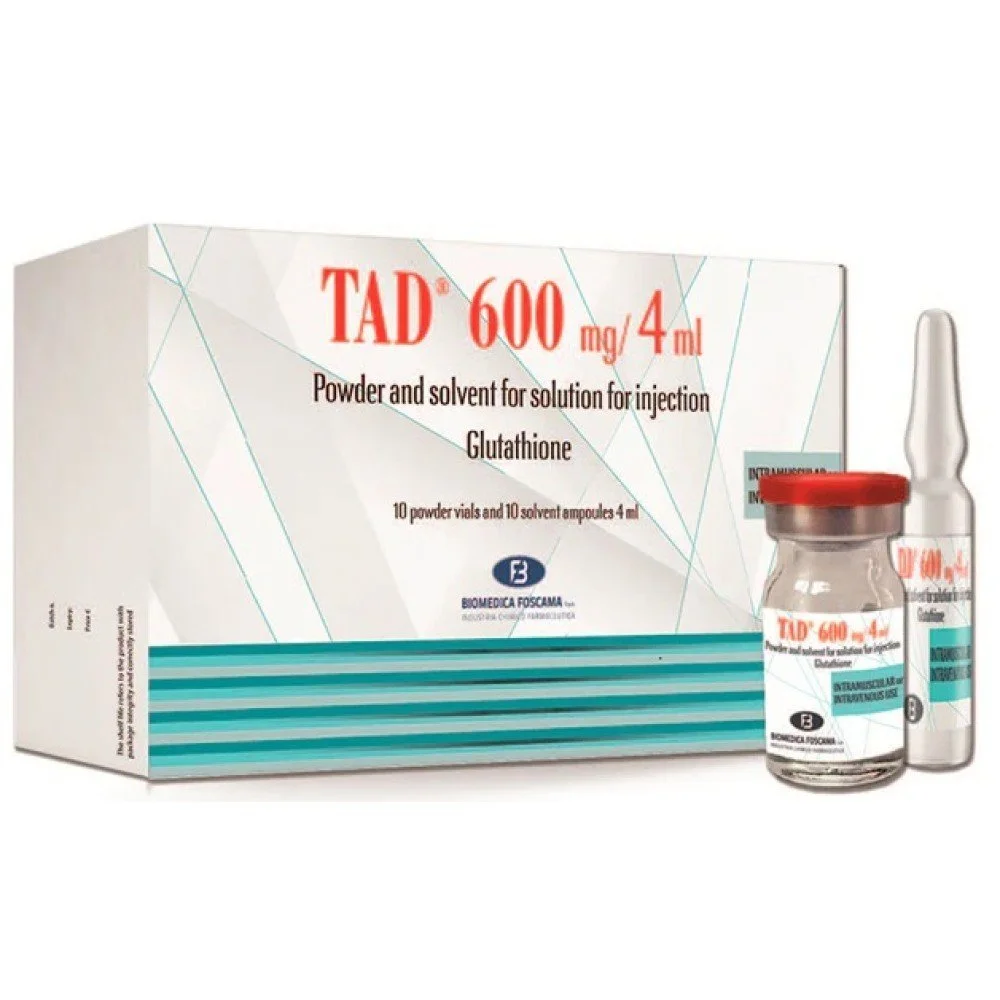
TAD-600 (Glutathione)
What is TAD-600 (Glutathione)?
Glutathione, synthesized in the liver primarily from amino acids such as L-cysteine, L-glutamic acid, and glycine, is considered an interchangeable amino acid. However, it is believed that only about 100 mg of this amino acid can be found in the foods the average person eats (usually in protein-rich foods like meat from various animals). Even less of this amino acid is absorbed by the human body, and an even smaller amount is directly consumed by the body. It is proven that stress caused by training reduces glutathione levels in the body and negatively affects endurance performance, immunity, and recovery rates. Therefore, the use of special supplements that regulate glutathione levels has a beneficial effect on the athlete's physical fitness.
TAD-600 is a pharmaceutical-grade glutathione, a powerful antioxidant found naturally in the body. It is used in medical treatments to combat oxidative stress and detoxify the body. Glutathione plays a critical role in protecting cells from damage caused by free radicals and toxins.
Glutathione is a very powerful natural antioxidant. When taking liver supplements like NAC, it works by increasing the body's glutathione levels, which protects organs from free radicals and toxins that can damage them. Taking glutathione directly provides a much more effective dose. Glutathione is produced by the liver and is also found in fruits, vegetables, and meats.
People take glutathione to treat cataracts and glaucoma, prevent aging, treat or prevent alcoholism, asthma, cancer, heart disease (atherosclerosis and high cholesterol), hepatitis, liver disease, diseases that weaken the immune system (including AIDS and chronic fatigue syndrome), memory loss, Alzheimer's disease, osteoarthritis, and Parkinson's disease. Glutathione is also used to maintain the immune system and combat metal and drug poisoning.
Glutathione is inhaled in the treatment of lung diseases, including idiopathic pulmonary fibrosis, cystic fibrosis, and lung diseases in people with HIV. Healthcare professionals administer glutathione via intramuscular injections to prevent the toxic side effects of cancer treatment (chemotherapy) and to treat male infertility. Healthcare professionals also administer glutathione intravenously to prevent anemia in kidney patients undergoing hemodialysis, prevent kidney problems after coronary artery bypass surgery, treat Parkinson's disease, improve blood flow and decrease clotting in individuals with atherosclerosis, treat diabetes, and prevent the toxic side effects of chemotherapy.
Mechanism of action
: Glutathione acts by neutralizing free radicals, thus preventing cellular damage. It also supports liver detoxification processes, aids in the metabolism of fats and proteins, and improves the immune system by regenerating other antioxidants such as vitamins C and E. Glutathione is a linear tripeptide with a sulfhydryl group, which includes L-glutamine, L-cysteine, and glycine. It plays an important role in protecting the body's cells, being a strong antioxidant. In the human body, a lack of glutathione leads to many diseases, such as Parkinson's disease, type I tyrosinemia, alcohol poisoning, and others. In vivo and in vitro experiments have demonstrated that a lack of glutathione can lead to mitochondrial damage and cell death caused by an increase in the number of toxic oxygen species, leading to an increase in the number of free radicals. The neutralization system involving glutathione plays a unique role in building the body's resistance to various influences and is the most important cell protection mechanism.
Glutathione binds to a large number of lipophilic compounds (physical neutralization), preventing their introduction into the lipid layer of membranes and the disruption of cellular functions. Thus, glutathione improves cell membrane stability, protects liver cell membranes, increases liver enzyme activity, and promotes detoxification and regenerative activity of the liver by destroying free radicals.
Glutathione and COVID-19. The addition of glutathione to the treatment of severe COVID-19 may reduce potentially fatal complications by restoring the effective functioning of the body's defense systems, leading to faster recovery and a milder course of the disease.
Use it to enhance athletic performance.
Glutathione is a very popular supplement used by athletes because it has many beneficial properties and is consumed in response to physical exertion. It is considered the "main antioxidant" and is the primary detoxifying and anti-inflammatory agent for all the cells in your body. It is especially useful in the world of athletics and other sports due to its ability to prevent and eliminate tissue damage, unnecessary inflammation, infections, muscle weakness, and overwork. As an antioxidant, glutathione helps improve athletic performance by protecting cells from damage caused by the formation of free radicals during exercise, especially when their levels exceed the body's ability to defend against them. For example, an athlete returns to training and competition preparation after a long break, begins a new and difficult training cycle, or an athlete is exposed to stresses such as being at high altitude (e.g., in mountains), in a place where air pollution accumulates, or in very hot or cold weather conditions. Studies have shown that if a person experiences these types of stress, they may experience a significant decrease in glutathione levels in the body. The increased antioxidant protection provided by glutathione can increase endurance, accelerate body recovery, and support the athlete's health during the competitive season. Furthermore, maintaining glutathione levels in the body is believed to protect athletes from recurring infections and illnesses that could prevent them from achieving their best results in training and competition. This protection is achieved by improving the absorption of nutrients and amino acids by cells, which are important for the functioning of the immune system, particularly lymphocytes and phagocytes. Athletes can benefit from glutathione, which can be expressed in increased endurance, strengthening the immune system's protection, and accelerating the body's recovery after training. Given that glutathione is not absorbed in the gastrointestinal tract in the most efficient way, it is almost impossible to increase its blood level with simple oral administration. Even with the oral administration of an extremely high dose (3 g) of glutathione, it was not possible to obtain changes in the amount of the substance circulating in the blood. A 2003 study involved a 61-year-old experienced athlete, a runner, who received four doses of glutathione (1,000 mg) intravenously over 36 days. As a result, after running 29.6 km, he managed to significantly improve his time. In particular, he took 5 minutes less to cover that distance the last time than the first time; that is, the result improved by 7.2%.
What can an athlete achieve?
Relieve muscle and joint pain
Repair damage
Regulate inflammation
Stimulate muscle protein synthesis and growth
Reduce the risk of illness or infection
Prevent muscle fatigue
Increase energy levels
Improve cardiovascular function
They increase physical activity and endurance
Oxidative Stress: Glutathione is best known for its ability to prevent oxidative stress. Oxidative stress occurs when antioxidants are insufficient to combat free radicals, causing damage to cells and tissues. Oxidative stress can manifest in many biological systems and cause many negative consequences. Glutathione is superior to other antioxidants in preventing oxidative stress because it can neutralize a wide range of free radicals, either by binding directly to them or blocking their absorption. Glutathione Deficiency: Physically active people often have a glutathione deficiency. During exercise, glutathione levels decrease rapidly due to increased absorption by tissues. The more a person trains, the more exhausted they become. This makes oxidative stress more severe and widespread. This can cause a variety of problems, such as muscle and joint pain, weakness, and vulnerability to infections and injuries. Improving muscle performance after a workout, oxidative stress primarily affects the muscles. It can cause muscle fatigue, which reduces the amount of effort your muscles can perform. Because of this, the ability to progress during training decreases, and it may be necessary to suspend it completely. The time required for tissue repair is also affected by decreased glutathione levels, leading to more intense and prolonged pain in muscles and joints, as well as injuries. Glutathione supplements combat oxidative stress by reducing muscle fatigue and promoting recovery after intense physical exertion. Boosting immunity: Glutathione plays an important role in the immune system. It increases or decreases inflammation up to a certain level by controlling white blood cells. It also limits the amount of negative cytokines, proteins that send signals that disrupt the proper inflammatory response. Glutathione also helps the immune system prevent and heal infections and diseases. Athletes are more susceptible to these because intense physical activity reduces immunity. Glutathione helps direct certain white blood cells, such as NK and T cells, to fight bacteria and viruses. Inflammation: The inflammatory process occurs not only in injuries such as muscle or ligament sprains; it is also activated to eliminate microscopic muscle tears that occur instantly during exercise. Because of this, glutathione is considered an incredibly effective regenerative nutrient, especially useful for those who exercise regularly. Glutathione and COVID-19
Studies suggest that higher levels of glutathione improve the body's response to viral infections. Glutathione protects immune cells through its antioxidant properties and helps immune system cells function properly. It can suppress the replication of various viruses at different stages, preventing an increase in viral load and the massive release of inflammatory cells in the lungs ("cytokine storm"). A study by De Flora et al. showed that the preventive use of N-acetylcysteine (NAC, a precursor to glutathione) for six months significantly reduces the incidence of influenza and flu-like episodes, especially in high-risk elderly individuals. In conditions such as lung cell damage and inflammation in patients with severe ARDS, a reduced glutathione deficiency worsens lung cell damage due to oxidative stress and inflammation. This can be effectively treated with NAC, which also helps prevent coagulopathy in patients with COVID-19.
Endogenous glutathione deficiency worsens oxidative lung damage caused by SARS-CoV-2, leading to severe symptoms such as acute respiratory distress syndrome, multiple organ failure, and death. Individuals with glutathione deficiency are more susceptible to uncontrolled SARS-CoV-2 replication, resulting in increased viral load. COVID-19 patients with moderate to severe disease exhibit lower glutathione levels, higher ROS levels, and a higher oxidative-reductive status (ROS/GSH ratio) than those with mild disease. Prolonged and severe COVID-19 infection in a patient with significant glutathione deficiency suggests that glutathione depletion correlates with increased viral replication and lung damage. Higher cellular glutathione levels result in milder clinical symptoms and lower viral loads.
Glutathione deficiency is an acquired condition associated with aging, male sex, comorbidities, and smoking. Reduced intake of fresh fruits and vegetables can also lead to deficiency. SARS-CoV-2 poses a danger only to individuals with endogenous glutathione deficiency, regardless of the cause. This understanding provides new insights into the causes and mechanisms responsible for severe COVID-19 and supports the use of N-acetylcysteine and reduced glutathione for treatment and prevention.
The antiviral effect of glutathione is not specific, suggesting that it is also active against SARS-CoV-2. Restoring glutathione levels in COVID-19 patients would be a promising treatment approach. Long-term oral administration of N-acetylcysteine has been tested as an effective preventive measure against respiratory viral infections. N-acetylcysteine is widely available, safe, inexpensive, and can be used off-label. Parenteral injection of reduced glutathione, which is more bioavailable than NAC, may be an effective therapy for severe cases of COVID-19.
Benefits of Glutathione
TAD-600 is indicated for several medical conditions, including:
Liver diseases: Helps in the treatment of hepatitis and other liver diseases by detoxifying harmful substances.
Cancer treatment: Used to mitigate the toxic side effects of chemotherapy and radiotherapy.
Immune support: Improves the immune system, especially in conditions such as AIDS.
Neurodegenerative diseases: Benefits patients with Parkinson's and Alzheimer's disease by reducing oxidative stress in the brain.
Cardiovascular diseases: Helps treat atherosclerosis by improving blood flow and reducing blood clotting.
Lung diseases: Effective in treating lung diseases such as idiopathic pulmonary fibrosis and cystic fibrosis.
Metabolic disorders: Helps control diabetes and prevent associated complications.
Male infertility: Used to improve sperm quality and treat infertility in men.
General health: Promotes overall health by preventing aging, improving memory, and maintaining cellular health.
Dosage and Administration
In medicine, for various liver lesions, such as alcoholic cirrhosis, glutathione is used in courses. Most often, these are intravenous drips at a dosage of 1,200-2,400 mg per day for 30 days. The complete cycle for healthy individuals wishing to increase antioxidant protection includes approximately 10 procedures. The duration of a procedure is about 30 minutes, and the intervals between drips are 1 to 7 days. The intervals between procedures, as well as the dosage and number of drips needed, are calculated individually for each client. A cycle generally includes about 10 intravenous infusions, and then maintenance administration of antioxidants can be performed regularly. The duration of action is also individual and depends on many factors. The course can be repeated after a while. Similar cycles are performed in medical clinics as wellness/anti-aging procedures. Most likely, this method will be the closest to our goals. Glutathione can also be administered intramuscularly, which greatly simplifies administration. Based on information found online about glutathione use in sports, some athletes inject every 3 days, others once a week throughout the cycle. Dave from the YouTube channel RxMuscle – The Truth in Bodybuilding says he uses 200 mg daily. Unfortunately, there are no exact protocols, and it's important to focus on your own feelings here.
Side effects
Although TAD-600 is generally well tolerated, some potential side effects may include:
Allergic reactions: rash, itching, or swelling.
Injection site reactions: pain, redness, or swelling.
Gastrointestinal problems: nausea or vomiting.
Headache or dizziness.
Precautions
Allergies: inform your doctor about any known allergies.
Pregnancy and breastfeeding: Use under medical supervision.
Chronic conditions: Patients with chronic diseases should consult their doctor before starting treatment.
Avoid concomitant use with sodium menadione bisulfite, cyanocobalamin, calcium pantothenate, sulfonamide preparations, and tetracyclines.
Storage:
TAD-600 should be stored in a cool, dry place, away from direct sunlight. The reconstituted solution should be used immediately to ensure effectiveness and prevent contamination.
Composition:
Each vial of TAD-600 contains 600 mg of reduced glutathione. The product is normally administered by intravenous or intramuscular injection.
What is TAD-600 (Glutathione)?
Glutathione, synthesized in the liver primarily from amino acids such as L-cysteine, L-glutamic acid, and glycine, is considered an interchangeable amino acid. However, it is believed that only about 100 mg of this amino acid can be found in the foods the average person eats (usually in protein-rich foods like meat from various animals). Even less of this amino acid is absorbed by the human body, and an even smaller amount is directly consumed by the body. It is proven that stress caused by training reduces glutathione levels in the body and negatively affects endurance performance, immunity, and recovery rates. Therefore, the use of special supplements that regulate glutathione levels has a beneficial effect on the athlete's physical fitness.
TAD-600 is a pharmaceutical-grade glutathione, a powerful antioxidant found naturally in the body. It is used in medical treatments to combat oxidative stress and detoxify the body. Glutathione plays a critical role in protecting cells from damage caused by free radicals and toxins.
Glutathione is a very powerful natural antioxidant. When taking liver supplements like NAC, it works by increasing the body's glutathione levels, which protects organs from free radicals and toxins that can damage them. Taking glutathione directly provides a much more effective dose. Glutathione is produced by the liver and is also found in fruits, vegetables, and meats.
People take glutathione to treat cataracts and glaucoma, prevent aging, treat or prevent alcoholism, asthma, cancer, heart disease (atherosclerosis and high cholesterol), hepatitis, liver disease, diseases that weaken the immune system (including AIDS and chronic fatigue syndrome), memory loss, Alzheimer's disease, osteoarthritis, and Parkinson's disease. Glutathione is also used to maintain the immune system and combat metal and drug poisoning.
Glutathione is inhaled in the treatment of lung diseases, including idiopathic pulmonary fibrosis, cystic fibrosis, and lung diseases in people with HIV. Healthcare professionals administer glutathione via intramuscular injections to prevent the toxic side effects of cancer treatment (chemotherapy) and to treat male infertility. Healthcare professionals also administer glutathione intravenously to prevent anemia in kidney patients undergoing hemodialysis, prevent kidney problems after coronary artery bypass surgery, treat Parkinson's disease, improve blood flow and decrease clotting in individuals with atherosclerosis, treat diabetes, and prevent the toxic side effects of chemotherapy.
Mechanism of action
: Glutathione acts by neutralizing free radicals, thus preventing cellular damage. It also supports liver detoxification processes, aids in the metabolism of fats and proteins, and improves the immune system by regenerating other antioxidants such as vitamins C and E. Glutathione is a linear tripeptide with a sulfhydryl group, which includes L-glutamine, L-cysteine, and glycine. It plays an important role in protecting the body's cells, being a strong antioxidant. In the human body, a lack of glutathione leads to many diseases, such as Parkinson's disease, type I tyrosinemia, alcohol poisoning, and others. In vivo and in vitro experiments have demonstrated that a lack of glutathione can lead to mitochondrial damage and cell death caused by an increase in the number of toxic oxygen species, leading to an increase in the number of free radicals. The neutralization system involving glutathione plays a unique role in building the body's resistance to various influences and is the most important cell protection mechanism.
Glutathione binds to a large number of lipophilic compounds (physical neutralization), preventing their introduction into the lipid layer of membranes and the disruption of cellular functions. Thus, glutathione improves cell membrane stability, protects liver cell membranes, increases liver enzyme activity, and promotes detoxification and regenerative activity of the liver by destroying free radicals.
Glutathione and COVID-19. The addition of glutathione to the treatment of severe COVID-19 may reduce potentially fatal complications by restoring the effective functioning of the body's defense systems, leading to faster recovery and a milder course of the disease.
Use it to enhance athletic performance.
Glutathione is a very popular supplement used by athletes because it has many beneficial properties and is consumed in response to physical exertion. It is considered the "main antioxidant" and is the primary detoxifying and anti-inflammatory agent for all the cells in your body. It is especially useful in the world of athletics and other sports due to its ability to prevent and eliminate tissue damage, unnecessary inflammation, infections, muscle weakness, and overwork. As an antioxidant, glutathione helps improve athletic performance by protecting cells from damage caused by the formation of free radicals during exercise, especially when their levels exceed the body's ability to defend against them. For example, an athlete returns to training and competition preparation after a long break, begins a new and difficult training cycle, or an athlete is exposed to stresses such as being at high altitude (e.g., in mountains), in a place where air pollution accumulates, or in very hot or cold weather conditions. Studies have shown that if a person experiences these types of stress, they may experience a significant decrease in glutathione levels in the body. The increased antioxidant protection provided by glutathione can increase endurance, accelerate body recovery, and support the athlete's health during the competitive season. Furthermore, maintaining glutathione levels in the body is believed to protect athletes from recurring infections and illnesses that could prevent them from achieving their best results in training and competition. This protection is achieved by improving the absorption of nutrients and amino acids by cells, which are important for the functioning of the immune system, particularly lymphocytes and phagocytes. Athletes can benefit from glutathione, which can be expressed in increased endurance, strengthening the immune system's protection, and accelerating the body's recovery after training. Given that glutathione is not absorbed in the gastrointestinal tract in the most efficient way, it is almost impossible to increase its blood level with simple oral administration. Even with the oral administration of an extremely high dose (3 g) of glutathione, it was not possible to obtain changes in the amount of the substance circulating in the blood. A 2003 study involved a 61-year-old experienced athlete, a runner, who received four doses of glutathione (1,000 mg) intravenously over 36 days. As a result, after running 29.6 km, he managed to significantly improve his time. In particular, he took 5 minutes less to cover that distance the last time than the first time; that is, the result improved by 7.2%.
What can an athlete achieve?
Relieve muscle and joint pain
Repair damage
Regulate inflammation
Stimulate muscle protein synthesis and growth
Reduce the risk of illness or infection
Prevent muscle fatigue
Increase energy levels
Improve cardiovascular function
They increase physical activity and endurance
Oxidative Stress: Glutathione is best known for its ability to prevent oxidative stress. Oxidative stress occurs when antioxidants are insufficient to combat free radicals, causing damage to cells and tissues. Oxidative stress can manifest in many biological systems and cause many negative consequences. Glutathione is superior to other antioxidants in preventing oxidative stress because it can neutralize a wide range of free radicals, either by binding directly to them or blocking their absorption. Glutathione Deficiency: Physically active people often have a glutathione deficiency. During exercise, glutathione levels decrease rapidly due to increased absorption by tissues. The more a person trains, the more exhausted they become. This makes oxidative stress more severe and widespread. This can cause a variety of problems, such as muscle and joint pain, weakness, and vulnerability to infections and injuries. Improving muscle performance after a workout, oxidative stress primarily affects the muscles. It can cause muscle fatigue, which reduces the amount of effort your muscles can perform. Because of this, the ability to progress during training decreases, and it may be necessary to suspend it completely. The time required for tissue repair is also affected by decreased glutathione levels, leading to more intense and prolonged pain in muscles and joints, as well as injuries. Glutathione supplements combat oxidative stress by reducing muscle fatigue and promoting recovery after intense physical exertion. Boosting immunity: Glutathione plays an important role in the immune system. It increases or decreases inflammation up to a certain level by controlling white blood cells. It also limits the amount of negative cytokines, proteins that send signals that disrupt the proper inflammatory response. Glutathione also helps the immune system prevent and heal infections and diseases. Athletes are more susceptible to these because intense physical activity reduces immunity. Glutathione helps direct certain white blood cells, such as NK and T cells, to fight bacteria and viruses. Inflammation: The inflammatory process occurs not only in injuries such as muscle or ligament sprains; it is also activated to eliminate microscopic muscle tears that occur instantly during exercise. Because of this, glutathione is considered an incredibly effective regenerative nutrient, especially useful for those who exercise regularly. Glutathione and COVID-19
Studies suggest that higher levels of glutathione improve the body's response to viral infections. Glutathione protects immune cells through its antioxidant properties and helps immune system cells function properly. It can suppress the replication of various viruses at different stages, preventing an increase in viral load and the massive release of inflammatory cells in the lungs ("cytokine storm"). A study by De Flora et al. showed that the preventive use of N-acetylcysteine (NAC, a precursor to glutathione) for six months significantly reduces the incidence of influenza and flu-like episodes, especially in high-risk elderly individuals. In conditions such as lung cell damage and inflammation in patients with severe ARDS, a reduced glutathione deficiency worsens lung cell damage due to oxidative stress and inflammation. This can be effectively treated with NAC, which also helps prevent coagulopathy in patients with COVID-19.
Endogenous glutathione deficiency worsens oxidative lung damage caused by SARS-CoV-2, leading to severe symptoms such as acute respiratory distress syndrome, multiple organ failure, and death. Individuals with glutathione deficiency are more susceptible to uncontrolled SARS-CoV-2 replication, resulting in increased viral load. COVID-19 patients with moderate to severe disease exhibit lower glutathione levels, higher ROS levels, and a higher oxidative-reductive status (ROS/GSH ratio) than those with mild disease. Prolonged and severe COVID-19 infection in a patient with significant glutathione deficiency suggests that glutathione depletion correlates with increased viral replication and lung damage. Higher cellular glutathione levels result in milder clinical symptoms and lower viral loads.
Glutathione deficiency is an acquired condition associated with aging, male sex, comorbidities, and smoking. Reduced intake of fresh fruits and vegetables can also lead to deficiency. SARS-CoV-2 poses a danger only to individuals with endogenous glutathione deficiency, regardless of the cause. This understanding provides new insights into the causes and mechanisms responsible for severe COVID-19 and supports the use of N-acetylcysteine and reduced glutathione for treatment and prevention.
The antiviral effect of glutathione is not specific, suggesting that it is also active against SARS-CoV-2. Restoring glutathione levels in COVID-19 patients would be a promising treatment approach. Long-term oral administration of N-acetylcysteine has been tested as an effective preventive measure against respiratory viral infections. N-acetylcysteine is widely available, safe, inexpensive, and can be used off-label. Parenteral injection of reduced glutathione, which is more bioavailable than NAC, may be an effective therapy for severe cases of COVID-19.
Benefits of Glutathione
TAD-600 is indicated for several medical conditions, including:
Liver diseases: Helps in the treatment of hepatitis and other liver diseases by detoxifying harmful substances.
Cancer treatment: Used to mitigate the toxic side effects of chemotherapy and radiotherapy.
Immune support: Improves the immune system, especially in conditions such as AIDS.
Neurodegenerative diseases: Benefits patients with Parkinson's and Alzheimer's disease by reducing oxidative stress in the brain.
Cardiovascular diseases: Helps treat atherosclerosis by improving blood flow and reducing blood clotting.
Lung diseases: Effective in treating lung diseases such as idiopathic pulmonary fibrosis and cystic fibrosis.
Metabolic disorders: Helps control diabetes and prevent associated complications.
Male infertility: Used to improve sperm quality and treat infertility in men.
General health: Promotes overall health by preventing aging, improving memory, and maintaining cellular health.
Dosage and Administration
In medicine, for various liver lesions, such as alcoholic cirrhosis, glutathione is used in courses. Most often, these are intravenous drips at a dosage of 1,200-2,400 mg per day for 30 days. The complete cycle for healthy individuals wishing to increase antioxidant protection includes approximately 10 procedures. The duration of a procedure is about 30 minutes, and the intervals between drips are 1 to 7 days. The intervals between procedures, as well as the dosage and number of drips needed, are calculated individually for each client. A cycle generally includes about 10 intravenous infusions, and then maintenance administration of antioxidants can be performed regularly. The duration of action is also individual and depends on many factors. The course can be repeated after a while. Similar cycles are performed in medical clinics as wellness/anti-aging procedures. Most likely, this method will be the closest to our goals. Glutathione can also be administered intramuscularly, which greatly simplifies administration. Based on information found online about glutathione use in sports, some athletes inject every 3 days, others once a week throughout the cycle. Dave from the YouTube channel RxMuscle – The Truth in Bodybuilding says he uses 200 mg daily. Unfortunately, there are no exact protocols, and it's important to focus on your own feelings here.
Side effects
Although TAD-600 is generally well tolerated, some potential side effects may include:
Allergic reactions: rash, itching, or swelling.
Injection site reactions: pain, redness, or swelling.
Gastrointestinal problems: nausea or vomiting.
Headache or dizziness.
Precautions
Allergies: inform your doctor about any known allergies.
Pregnancy and breastfeeding: Use under medical supervision.
Chronic conditions: Patients with chronic diseases should consult their doctor before starting treatment.
Avoid concomitant use with sodium menadione bisulfite, cyanocobalamin, calcium pantothenate, sulfonamide preparations, and tetracyclines.
Storage:
TAD-600 should be stored in a cool, dry place, away from direct sunlight. The reconstituted solution should be used immediately to ensure effectiveness and prevent contamination.
Composition:
Each vial of TAD-600 contains 600 mg of reduced glutathione. The product is normally administered by intravenous or intramuscular injection.