

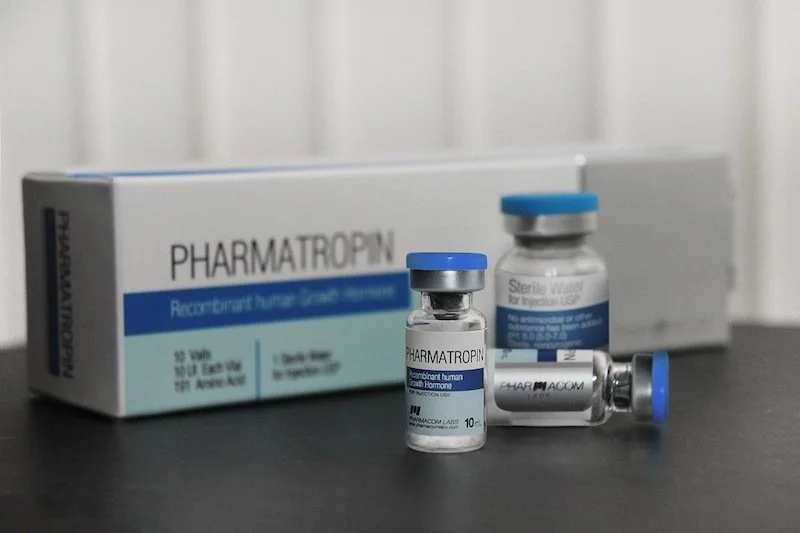
HGH 10ui
Human Growth Hormone (HGH), also known as somatotropin or somatropin, is a peptide hormone that stimulates growth, cell reproduction, and regeneration in humans and other animals. It is a type of mitogen specific to certain cell types. Growth hormone is a single-chain polypeptide with 191 amino acids, synthesized, stored, and secreted by somatotropic cells in the lateral wings of the anterior pituitary gland. Many factors influence HGH release, including nutrition and physical exercise.
Human Growth Hormone (HGH) stimulates the body's cells to increase in size and divide more rapidly than normal. In addition, HGH increases the transport of amino acids across cell membranes and also accelerates the conversion of these molecules into proteins. Clearly, this is expected to result in an anabolic (muscle-building) effect on the human body. HGH also has the ability to decrease the normal rate of carbohydrate utilization by cells, while simultaneously stimulating an increased rate of fat utilization. Increases in lean mass and fat loss have been observed with a dose as low as 0.028 IU/kg/day for 24 weeks. HGH also stimulates the production of IGF-1. HGH is used medicinally to treat growth disorders in children and growth hormone deficiency in adults.
Studies reliably prove that the following beneficial effects of HGH include:
• Increased skin thickness and elasticity
• Improved healing time and reduced infection rates after trauma or surgery
• Reduction of wrinkles caused by sun damage
• Reduction of total body fat (promotes lipolysis)
• Increased lean muscle mass (increased protein synthesis)
• Increased bone density (increased calcium retention and strengthened bone mineralization)
• Improved cholesterol profile
• Reduction of LDL ("bad") cholesterol
• Increase in HDL ("good") cholesterol
• Improved physical capacity
• Reduced recovery time between workouts
• Improved blood flow to the kidneys
• Improved mood, coping ability, and overall well-being
• Contributes to the strengthening of joints and ligaments (increased collagen synthesis).
• Plays a role in homeostasis
• Reduces hepatic glucose uptake
• Promotes gluconeogenesis in the liver
• Contributes to the maintenance and function of pancreatic islets
• Stimulates the immune system
• Increases the deiodination of T4 to T3
Pharmatropin's HGH
has been used as an anabolic agent by athletes since at least 1982. HGH can easily produce high-quality weight and muscle mass gains; however, it is a very ineffective compound for inducing strength gains. Competitors from the 1970s and especially the 1980s began to exhibit a more refined appearance, with sculpted muscle development reminiscent of classical sculptures and deeply carved rocks. It can reasonably be assumed that they were not adding extra cardiovascular exercise to their training programs nor consuming more lean protein compared to previous bodybuilders, therefore the introduction of HGH is a plausible hypothesis.
The qualities and positive effects of HGH are amplified and much more evident when used in conjunction with a steroid cycle than when used alone. Therefore, this compound is generally suitable for muscle definition cycles, aiming at gaining lean muscle mass and burning fat.
Several studies, primarily involving patients with HGH deficiency, suggest a crucial role for HGH in maintaining high energy levels and mental and emotional well-being. Adults with HGH deficiency often exhibit higher rates of depression than those without this deficiency.
HGH has also been studied in the context of cognitive function, including learning and memory. In humans, HGH appears to induce cognitive function and may be useful in treating patients with cognitive impairment resulting from HGH deficiency.
Chemical name: somatotropin (human growth hormone)
Anabolic activity index is not a steroid.
Androgenic activity index is not a steroid.
Human Growth Hormone (HGH), also known as somatotropin or somatropin, is a peptide hormone that stimulates growth, cell reproduction, and regeneration in humans and other animals. It is a type of mitogen specific to certain cell types. Growth hormone is a single-chain polypeptide with 191 amino acids, synthesized, stored, and secreted by somatotropic cells in the lateral wings of the anterior pituitary gland. Many factors influence HGH release, including nutrition and physical exercise.
Human Growth Hormone (HGH) stimulates the body's cells to increase in size and divide more rapidly than normal. In addition, HGH increases the transport of amino acids across cell membranes and also accelerates the conversion of these molecules into proteins. Clearly, this is expected to result in an anabolic (muscle-building) effect on the human body. HGH also has the ability to decrease the normal rate of carbohydrate utilization by cells, while simultaneously stimulating an increased rate of fat utilization. Increases in lean mass and fat loss have been observed with a dose as low as 0.028 IU/kg/day for 24 weeks. HGH also stimulates the production of IGF-1. HGH is used medicinally to treat growth disorders in children and growth hormone deficiency in adults.
Studies reliably prove that the following beneficial effects of HGH include:
• Increased skin thickness and elasticity
• Improved healing time and reduced infection rates after trauma or surgery
• Reduction of wrinkles caused by sun damage
• Reduction of total body fat (promotes lipolysis)
• Increased lean muscle mass (increased protein synthesis)
• Increased bone density (increased calcium retention and strengthened bone mineralization)
• Improved cholesterol profile
• Reduction of LDL ("bad") cholesterol
• Increase in HDL ("good") cholesterol
• Improved physical capacity
• Reduced recovery time between workouts
• Improved blood flow to the kidneys
• Improved mood, coping ability, and overall well-being
• Contributes to the strengthening of joints and ligaments (increased collagen synthesis).
• Plays a role in homeostasis
• Reduces hepatic glucose uptake
• Promotes gluconeogenesis in the liver
• Contributes to the maintenance and function of pancreatic islets
• Stimulates the immune system
• Increases the deiodination of T4 to T3
Pharmatropin's HGH
has been used as an anabolic agent by athletes since at least 1982. HGH can easily produce high-quality weight and muscle mass gains; however, it is a very ineffective compound for inducing strength gains. Competitors from the 1970s and especially the 1980s began to exhibit a more refined appearance, with sculpted muscle development reminiscent of classical sculptures and deeply carved rocks. It can reasonably be assumed that they were not adding extra cardiovascular exercise to their training programs nor consuming more lean protein compared to previous bodybuilders, therefore the introduction of HGH is a plausible hypothesis.
The qualities and positive effects of HGH are amplified and much more evident when used in conjunction with a steroid cycle than when used alone. Therefore, this compound is generally suitable for muscle definition cycles, aiming at gaining lean muscle mass and burning fat.
Several studies, primarily involving patients with HGH deficiency, suggest a crucial role for HGH in maintaining high energy levels and mental and emotional well-being. Adults with HGH deficiency often exhibit higher rates of depression than those without this deficiency.
HGH has also been studied in the context of cognitive function, including learning and memory. In humans, HGH appears to induce cognitive function and may be useful in treating patients with cognitive impairment resulting from HGH deficiency.
Chemical name: somatotropin (human growth hormone)
Anabolic activity index is not a steroid.
Androgenic activity index is not a steroid.